Scratch vs Real Coding for Kids: When to Make the Switch in 2026
Scratch teaches coding logic brilliantly for ages 7–9, but kids who stay in block-based environments too long miss the transition to professional programming. Here's when and how to make the switch.
In This Article
The Block-to-Text Transition Problem
Scratch is an excellent introduction to coding logic for young children, but it creates a well-documented "frustration gap" when students try to transition to professional programming languages. This gap occurs because Scratch's drag-and-drop interface eliminates the need to type syntax, manage errors, or understand code structure — skills that are essential in real programming.
A 2025 study by the ACM (Association for Computing Machinery) found that students who used block-based coding exclusively for more than two years had a harder time learning text-based languages compared to students who transitioned earlier. The study identified "syntax shock" — the sudden difficulty of typing precise code after years of dragging blocks — as the primary barrier.
The solution is not to skip Scratch entirely, but to plan the transition deliberately. Scratch builds logical thinking; text-based coding builds professional capability. Both matter, and the timing of the switch is critical.
Signs Your Child Is Ready for Text-Based Coding
Watch for these indicators that your child is ready to move beyond Scratch:
- •Age 10+: Most children have the reading fluency and typing skills needed for text-based coding by age 10.
- •Boredom with Blocks: If your child says Scratch is "too easy" or "babyish," they're ready for a challenge.
- •Interest in Real Websites/Apps: When kids ask "How was YouTube made?" or "Can I make a real website?", they're seeking professional tools.
- •Comfortable with Typing: Text-based coding requires reasonable typing speed. If your child can type a sentence without hunting for keys, they're ready.
- •Logical Thinking: If they can explain their Scratch projects in terms of "if-then" logic, the conceptual foundation is there.
The ideal transition window is ages 10–12. Earlier transitions are possible with guided platforms, but pushing before age 9 often leads to frustration rather than growth.
The Best Path from Scratch to Real Coding
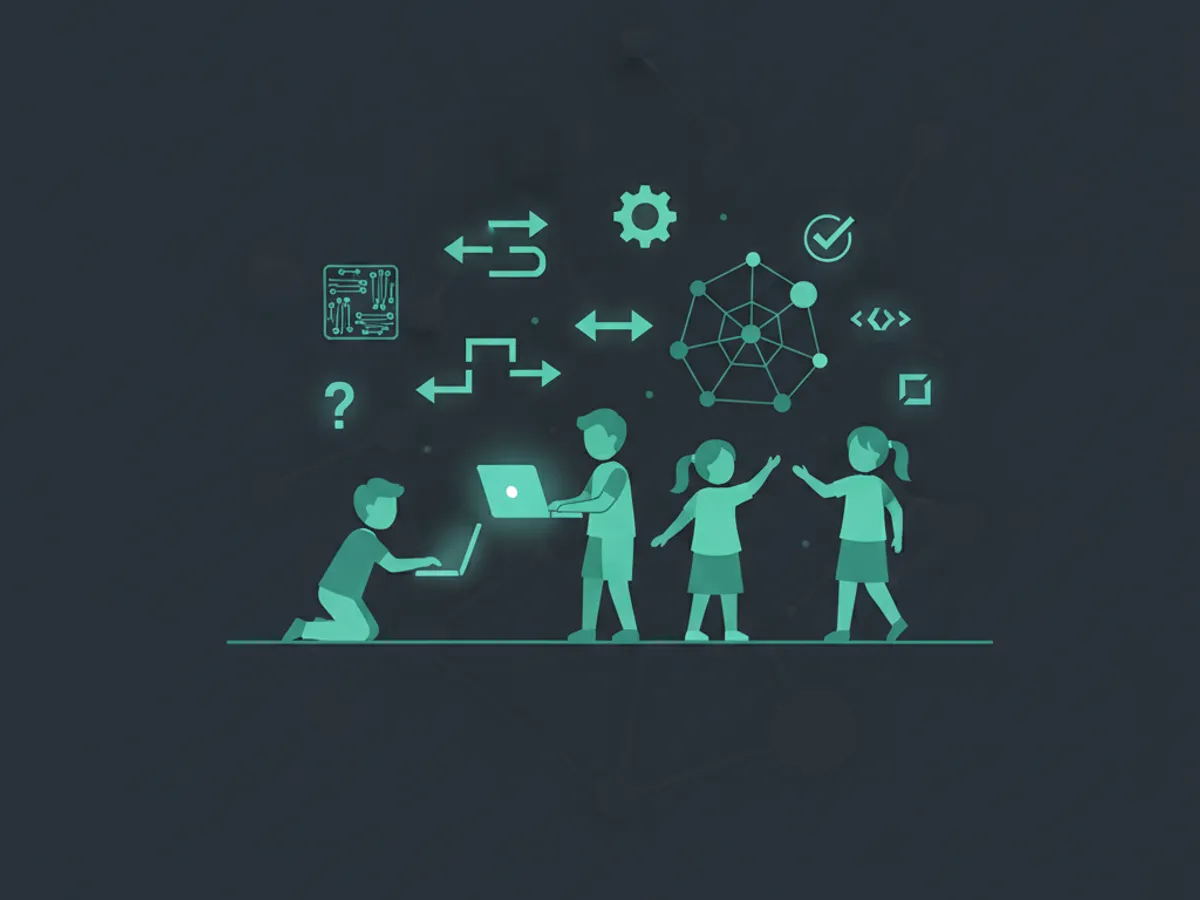
The most successful transition follows this sequence:
Step 1: HTML/CSS (Visual, Immediate) — Start with web development because it produces visible results instantly. Kids see their words appear on a webpage within seconds, which maintains the "instant feedback" they loved about Scratch.
Step 2: JavaScript (Interactive) — Once comfortable with HTML structure, add interactivity. JavaScript powers buttons, animations, and games — familiar territory for Scratch users.
Step 3: Python (Powerful) — Python's clean syntax makes it the natural next step for deeper programming. Data projects, AI experiments, and automation open new creative doors.
At KidsCode Gift, this exact progression is built into the course sequence: 1. "How Websites Work" → HTML/CSS fundamentals 2. "JavaScript Adventures" → Interactive programming 3. "Build a Game" → Applied JavaScript 4. "Python Basics" → Professional language skills
Each course uses AI assistance to smooth the transition — the AI explains errors in kid-friendly language and suggests fixes, reducing the "syntax shock" that discourages many students.
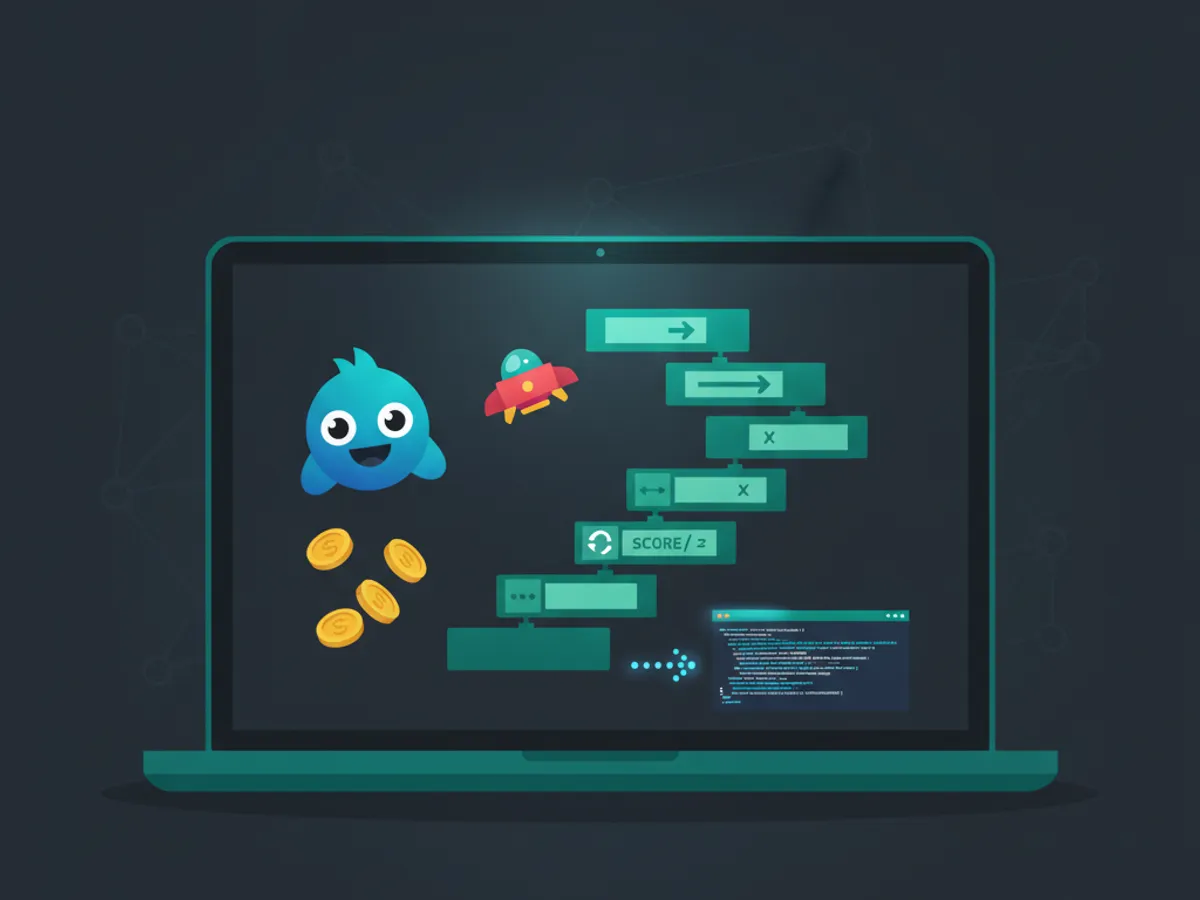
Scratch vs KidsCode Gift: Feature Comparison
| Feature | Scratch | KidsCode Gift |
|---|---|---|
| Type | Block-based (drag & drop) | Text-based (real code) |
| Languages | Scratch blocks only | HTML, CSS, JavaScript, Python |
| Best Ages | 7–10 | 7–16 |
| AI Assistant | ❌ | ✅ Safe, guided AI tutor |
| Real Websites | ❌ | ✅ Build and deploy |
| Portfolio | ❌ | ✅ Shareable portfolio |
| Career Skills | Foundational logic only | Professional programming |
| Price | Free | Free tier + $9.99/mo Creator |
Scratch is the ideal starting point, and KidsCode Gift is the ideal next step. They're complementary, not competitive.
Frequently Asked Questions
When should kids switch from Scratch to real coding?
Is Scratch real coding?
What should kids learn after Scratch?
Free: First 10 Coding Projects for Kids (PDF)
A printable starter pack — real projects your child can build this weekend. No spam, unsubscribe anytime.
Start Your Child's Coding Journey Today
Two full courses free. No credit card required. AI-assisted learning for ages 7–16.
Get Started Free