Python for Kids: A Beginner's Guide to the World's Most Popular Language
Python is the best first text-based programming language for kids in 2026. It reads like English, powers everything from AI to game development, and can be learned by children as young as 10 with the right platform.
In This Article
Why Python Is Perfect for Kids
Python is the best first text-based programming language for kids because it reads like plain English and produces powerful results with minimal code. While languages like JavaScript or C++ require complex syntax, Python lets young learners focus on logic and creativity rather than battling semicolons and brackets.
According to the TIOBE Index for 2026, Python remains the world's most popular programming language for the fourth consecutive year, used in web development, artificial intelligence, data science, and automation. Teaching kids Python gives them a skill that directly translates to real-world careers.
A 2025 study by Code.org found that students who learn Python as their first text-based language are more likely to continue studying computer science in high school compared to those who start with other languages. The reason: Python's readability reduces frustration and allows kids to build meaningful projects quickly.
What Kids Can Build with Python
Python opens doors to projects far beyond basic exercises:
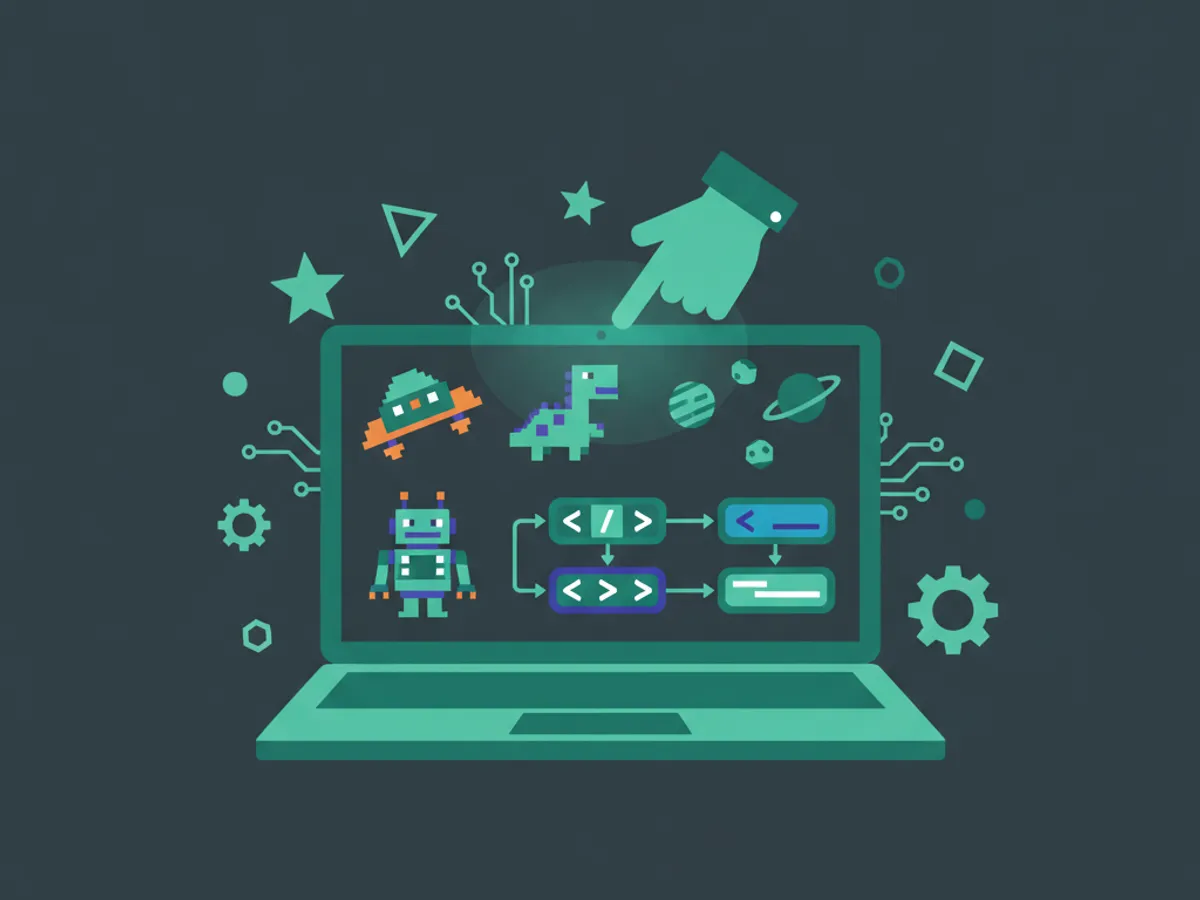
- •Games: Using libraries like Pygame, kids can create arcade games, puzzles, and adventure games with graphics and sound.
- •Art and Animations: Python's Turtle graphics module lets kids draw complex patterns, fractals, and animated scenes with simple commands.
- •Data Projects: Kids can analyze their favorite sports statistics, weather data, or survey results using Python's data tools.
- •Chatbots: Simple AI chatbots that respond to text input teach kids about natural language processing in an accessible way.
- •Web Scrapers: Older kids can build tools that collect information from websites, learning about data and APIs.
- •Automation: Python scripts that rename files, organize photos, or send automated messages teach practical problem-solving.
At KidsCode Gift, the Python Basics course starts with Turtle graphics — kids see colorful results on screen within minutes of writing their first line of code.
How to Start Learning Python: Age-by-Age Guide
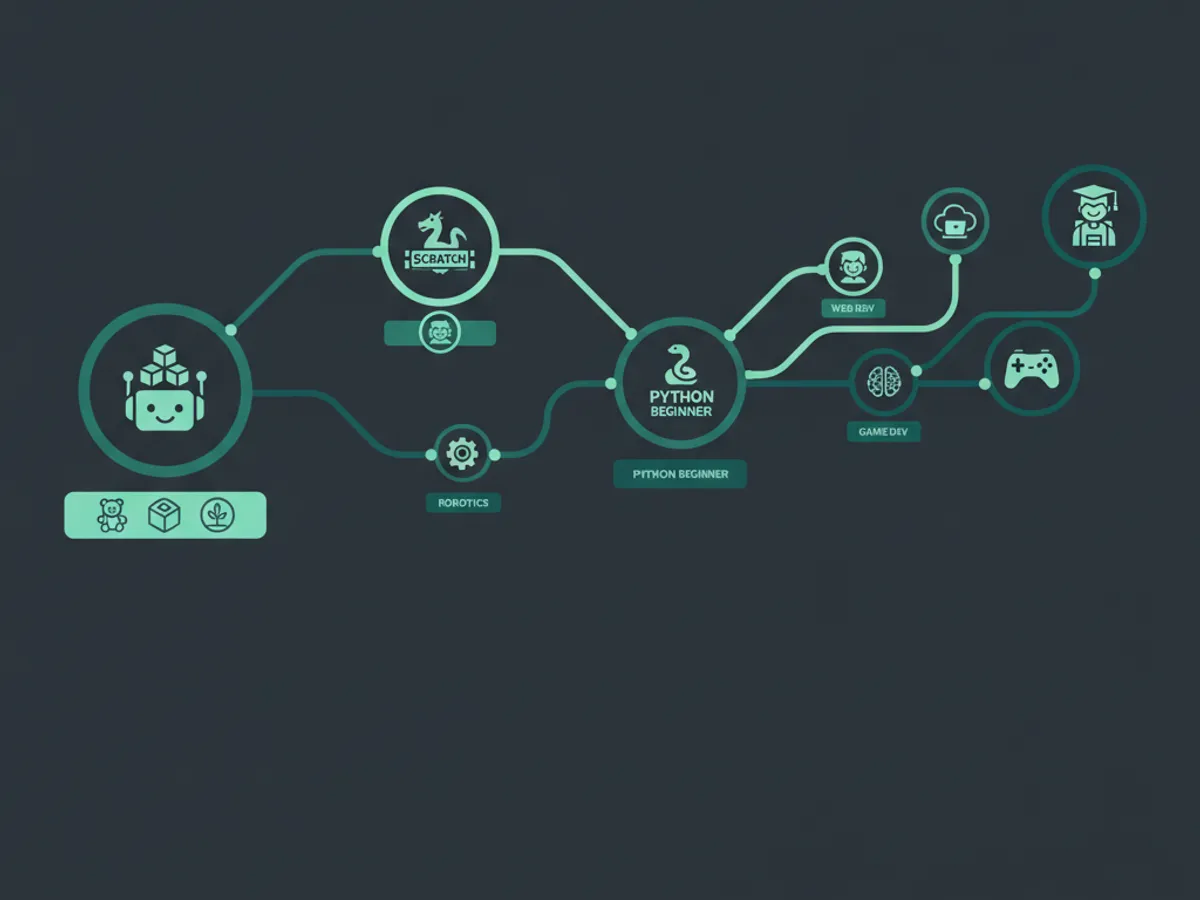
Ages 10–11: Visual Python Start with Turtle graphics and simple print statements. The goal is understanding variables, loops, and conditions through visual, immediate feedback. KidsCode Gift's Python Basics course is designed for this level.
Ages 12–13: Interactive Projects Move to text-based games, quizzes, and simple data projects. Kids at this level can handle functions, lists, and basic file operations.
Ages 14–16: Real Applications Build web scrapers, data analysis projects, and simple AI experiments. Students can start exploring libraries like Flask for web development or Pandas for data science.
The key principle: every session should produce something visible and shareable. Kids stay motivated when they can show their work to friends and family.
Python vs Other Languages for Kids
| Feature | Python | JavaScript | Scratch |
|---|---|---|---|
| Readability | Excellent — reads like English | Good — some complex syntax | Visual blocks only |
| Career Value | #1 most popular language | #2 for web development | Not used professionally |
| AI & Data Science | Industry standard | Limited | Not applicable |
| Visual Results | Turtle graphics, Pygame | Browser-based (HTML/CSS) | Drag-and-drop |
| Best Starting Age | 10+ | 10+ | 7+ |
| Available at KidsCode Gift | ✅ Python Basics course | ✅ JavaScript Adventures | ❌ |
For kids under 10, HTML/CSS and visual tools are ideal starting points. For kids 10 and older ready for text-based coding, Python is the strongest first choice because of its readability and broad career applicability.
Frequently Asked Questions
What age can kids learn Python?
Is Python hard for kids to learn?
Why should kids learn Python instead of Scratch?
Can kids learn Python for free?
Free: First 10 Coding Projects for Kids (PDF)
A printable starter pack — real projects your child can build this weekend. No spam, unsubscribe anytime.
Start Your Child's Coding Journey Today
Two full courses free. No credit card required. AI-assisted learning for ages 7–16.
Get Started Free