Online Arabic Classes for Kids 2026: Live + AI-Assisted Language Learning
Online Arabic classes for kids combine live native-speaker instructors with AI-assisted practice between lessons. Here is how they work, what to look for, how they compare on price and safety, and why Arabic compounds with chess and coding.

In This Article
- 1How Do Online Arabic Classes for Kids Work?
- 2What to Look For in an Online Arabic Class
- 3The Chess-Coding-Arabic Crossover: Three Skills That Compound
- 4Comparing Online Arabic Class Options for 2026
- 5How to Choose: A 5-Step Framework for Parents
- 6Getting Started With Live Arabic Classes on KidsCode Gift
- ?Frequently Asked Questions
How Do Online Arabic Classes for Kids Work?
Online Arabic classes for kids pair a vetted native-speaker instructor with live video lessons in small groups of 4-8 students, plus AI-assisted practice between sessions. The best programs are COPPA-compliant, meet 1-3 times per week for 30-45 minutes, and report progress to parents.
A typical week looks like this: the child joins a live lesson with a teacher and a handful of peers, practices vocabulary and conversation in class, then completes short AI-guided review exercises before the next session. Parents receive a progress summary. That loop — live teaching, spaced practice, parent visibility — is what separates real classes from an app with a teacher-shaped icon.
It is also worth knowing what these classes are not. They are not open tutor marketplaces where anyone can list a profile, and they are not vocabulary apps that gamify word lists without ever putting the child into a real conversation. Language lives in interaction — that is the standard every option below is measured against.
What to Look For in an Online Arabic Class
Not all online Arabic classes are built for children. Before enrolling, check six things:
- •COPPA compliance. The platform must not collect or sell data about the child, must be ad-free, and must give parents visibility into all interactions. This is non-negotiable for any service aimed at under-13s.
- •Vetted native-speaker instructors. Look for background-checked teachers with documented experience teaching children — not just native fluency. Teaching a language to a 9-year-old is a distinct skill.
- •Small class sizes. In a group of 4-8, every child speaks in every lesson. Once a class passes 12 students, individual speaking time collapses and the lesson becomes a lecture.
- •A clear curriculum. Ask whether the program teaches Modern Standard Arabic, a dialect, or a structured blend — and what the child should be able to do after 3, 6, and 12 months.
- •Progress reporting. You should receive regular summaries: vocabulary mastered, speaking milestones, and what comes next.
- •A trial lesson. Any quality program will let the child try a real class before you commit.
These quality factors mirror the checklist parents use when comparing chess classes for kids online in the USA or evaluating coding platforms: vetted instructors, small groups, structured curriculum, and parent visibility. The same rigor applies — a language teacher will spend hours in live conversation with the child, so vetting matters even more.
A note on Modern Standard Arabic versus dialects. Most quality children's programs teach Modern Standard Arabic as the foundation — it is the language of books, media, and formal communication across every Arab country — while weaving in conversational phrases from a major dialect. Be cautious of programs that teach only a dialect without literacy, or only script without speech. Children need both tracks from the beginning.
Red flags that should end the conversation: platforms that cannot name their instructor vetting process, classes larger than 12 marketed as interactive, no trial lesson, no written curriculum, and any service where strangers can contact children directly. Price is a weak signal in this market — some expensive programs fail several of these tests, and the checklist above catches what marketing hides.
The Chess-Coding-Arabic Crossover: Three Skills That Compound
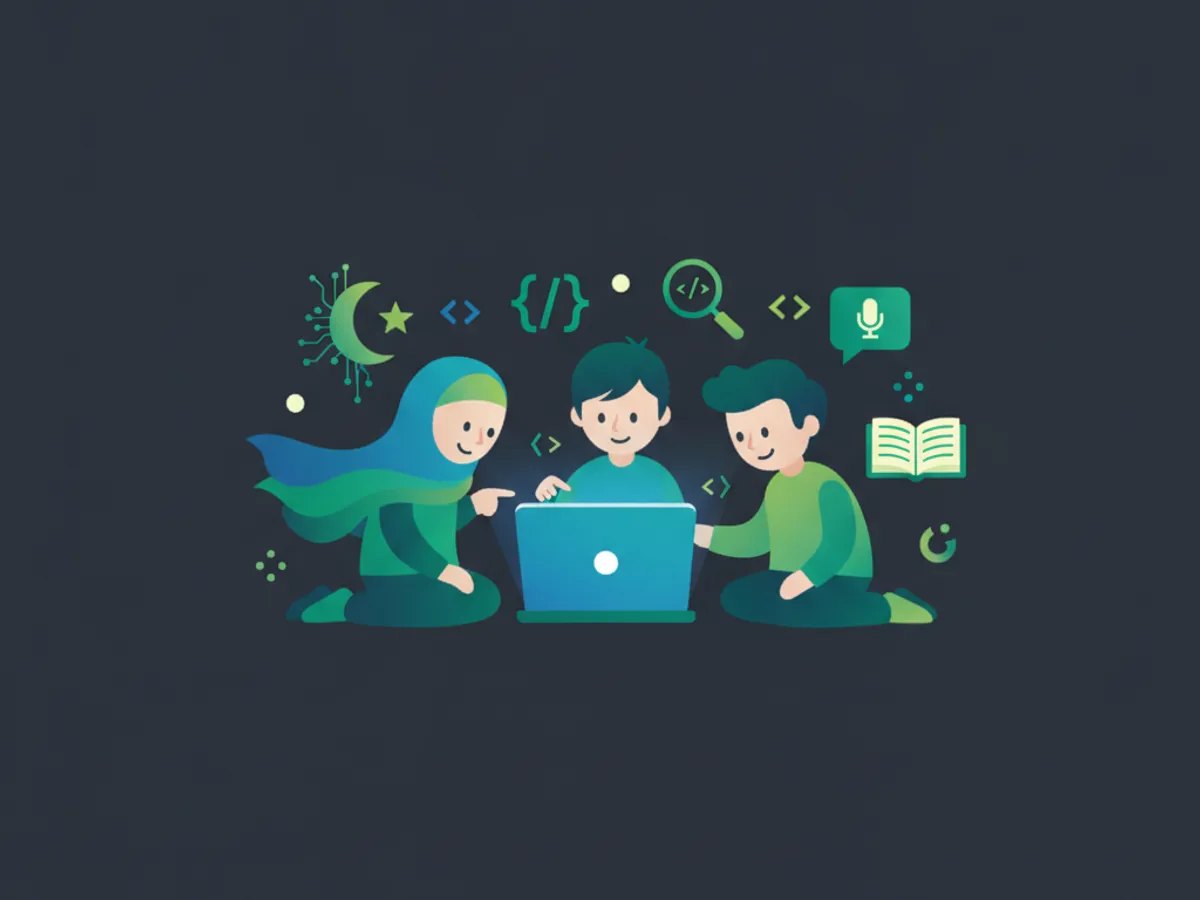
Three of the skills parents are investing in for 2026 — chess, coding, and Arabic — look unrelated. Cognitively, they train the same machine.
- •Pattern recognition. Chess openings, code syntax, and the Arabic root system are all systems of recurring structures. A child who learns that the root k-t-b generates kitab (book), kataba (he wrote), and maktab (office) is doing the same pattern-extraction work as a child debugging a loop.
- •Working memory and executive function. ACTFL research on bilingual benefits summarizes decades of evidence that children who study a second language show advantages in attention switching, working memory, and metalinguistic awareness — the same capacities chess and coding demand.
- •Sequencing and memory. Following a chess line, tracing a program's execution, and holding an Arabic sentence together while choosing the right verb form all exercise the same sequential working-memory muscle.
- •Deliberate practice habits. All three reward short, frequent sessions over weekend cramming. Families find that a child who can sustain 30 minutes of chess study can sustain 30 minutes of Arabic practice.
The numbers make the case for Arabic specifically. Arabic is spoken by more than 400 million people and is one of the six official languages of the United Nations, yet the American Academy of Arts and Sciences reports that only about 20 percent of U.S. K-12 students study any world language at all. NAIS data on language diversity shows independent schools increasingly treating Arabic and Mandarin programs as differentiators.
Language learning is not an add-on; it is a cognitive multiplier, as leaders at the American Council on the Teaching of Foreign Languages have long argued. Many families pair online chess classes for kids with Arabic lessons for exactly this reason — strategy plus language is a combination that strengthens both.
Scheduling works in families' favor too. Because all three skills thrive on short, frequent sessions, a realistic week might hold two 30-minute Arabic lessons, two coding sessions, and one chess class — under three hours total, spread across the week, with each skill quietly reinforcing the others.
Comparing Online Arabic Class Options for 2026
Here is how the main options for kids Arabic lessons compare on format, price, and safety.
| Option | Format | Typical Price | Class Size | COPPA-Compliant | Vetted Native Instructors |
|---|---|---|---|---|---|
| KidsCode Gift live Arabic classes | Live small group + AI practice | $79/month | 4-8 | Yes | Yes |
| Tutor marketplaces | 1:1 video | $10-$30/hour | 1 | No | Varies |
| Self-paced language apps | Async app | $7-$15/month | None | Varies | No |
| Community weekend schools | In person | $50-$150/month | 15-25 | N/A | Varies |
| Free video content | Async | Free | None | No | No |
How we evaluated these options. We compared each format on the criteria that actually predict outcomes for children: live speaking time per student, instructor vetting, curriculum structure, child-safety compliance, and cost per month of consistent practice. Marketing claims were ignored; only verifiable features counted.
The trade-offs in plain terms:
- •Tutor marketplaces can be affordable per hour, but instructors are typically not background-checked for work with children, platforms are often not COPPA-compliant, and quality varies wildly between tutors.
- •Self-paced apps are fine for vocabulary drilling but produce almost no speaking ability — language lives in conversation, and an app cannot converse.
- •Community weekend schools offer cultural connection but large classes and mixed-level grouping mean limited individual speaking time.
- •Free video content has no curriculum, no feedback, and no safety controls.
One question parents often ask: is one-on-one tutoring better than a small group? For adult learners, sometimes. For children, small groups of 4-8 usually win — kids speak more when peers speak, language games and role-plays need other players, and the social energy of a group sustains motivation far longer than a weekly solo appointment. Save one-on-one tutoring for targeted catch-up if the child falls behind.
The pattern is consistent with what parents discover in coding education: the cheapest option is rarely the cheapest path to actual skill. A structured, small-group, live program costs more than an app and less than weekly private tutoring — and it is the only format that combines speaking practice, a real curriculum, and child-safety compliance.
How to Choose: A 5-Step Framework for Parents
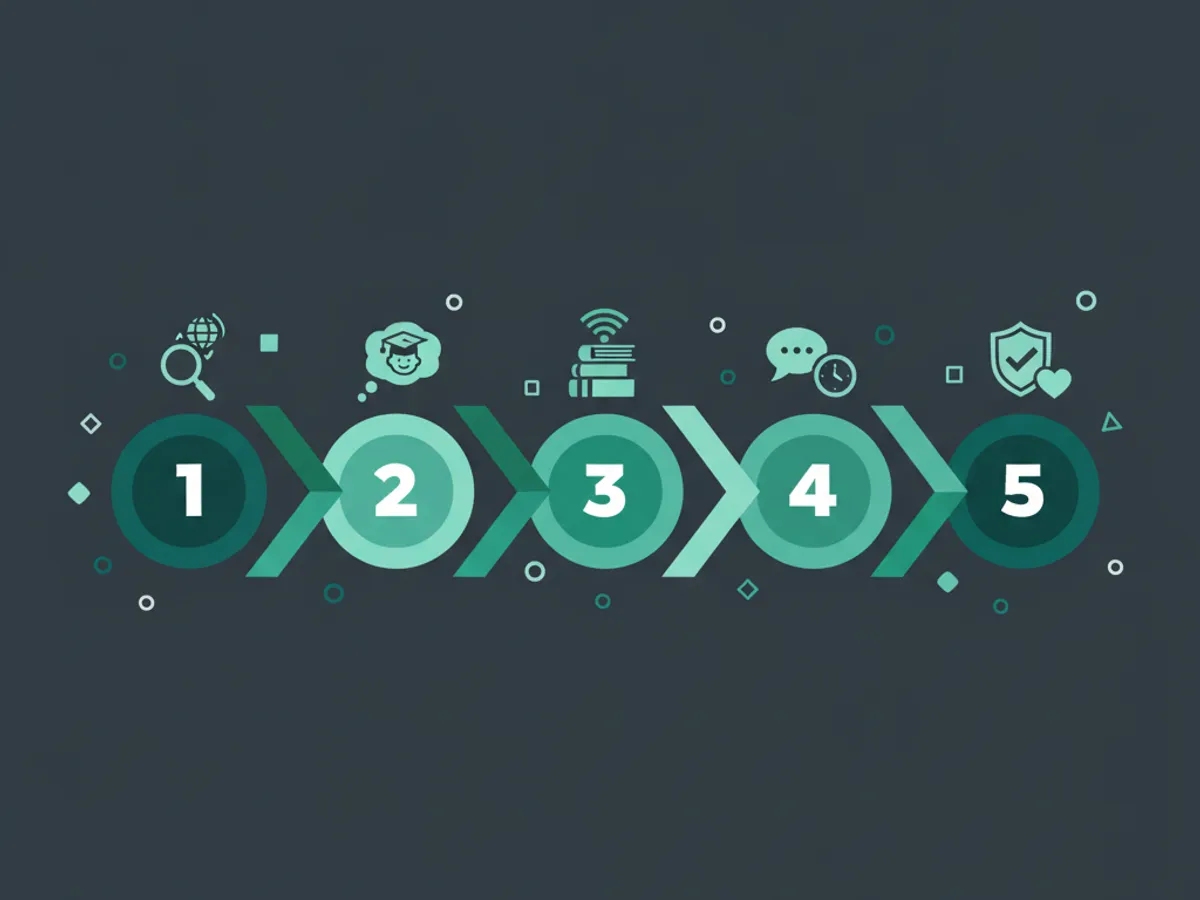
Use this framework to evaluate any online Arabic class for the child:
- •Verify safety first. Confirm COPPA compliance, instructor background checks, and that there is no open chat with strangers. If a platform cannot answer these questions clearly, stop there.
- •Watch a trial lesson. Look for how much the children talk versus how much the teacher talks. In a good kids class, students speak for at least half the session.
- •Ask about speaking time. With 4-8 students in a 30-45 minute lesson, each child should get multiple speaking turns. Ask the provider directly.
- •Check the curriculum map. A serious program can show you exactly what the child will be able to say, read, and understand after 3, 6, and 12 months.
- •Review the screen-time fit. Live language lessons are active, social learning — the category Common Sense Media screen time recommendations rank highest. The American Academy of Pediatrics similarly distinguishes interactive educational media from passive consumption. A 30-45 minute live class plus 10 minutes of AI practice is well within healthy limits for school-age children.
Three questions that reveal everything about a provider:
- •Who exactly will teach the child, and what does the background-check process look like?
- •How many minutes per lesson will the child actually speak?
- •What should the child be able to do after 12 weeks, specifically?
Vague answers to any of these are an answer.
Trust the checklist over the marketing. The programs that welcome these questions are the ones worth paying for.
Getting Started With Live Arabic Classes on KidsCode Gift
Live Arabic classes on KidsCode Gift are built to the same COPPA-first standard as the coding platform: background-checked native-speaker instructors, a maximum of 8 students per class, AI-assisted practice between lessons, and a parent dashboard that shows every milestone.
What a subscription includes:
- •Live small-group lessons with a vetted native speaker, scheduled around U.S. time zones
- •AI-guided practice between sessions that adapts to what the child found difficult in class
- •A structured curriculum covering Modern Standard Arabic foundations with conversational phrases woven in from week one
- •Progress reports after every unit, so parents always know where the child stands
What the first 90 days typically look like:
- •Weeks 1-4: greetings, introductions, the most common letters of the alphabet, and the first full sentences.
- •Weeks 5-8: vocabulary for family, food, and daily routines; short reading of voweled text; simple question-and-answer exchanges.
- •Weeks 9-12: the child holds a two-to-three-minute guided conversation and reads short paragraphs aloud.
Progress in a language is visible in a way few skills are — relatives notice it within weeks, which becomes its own motivation engine.
Many families bundle Arabic with a coding subscription gift — the two share a practice rhythm, and both produce visible, shareable progress. You can compare plans and current class schedules on the pricing page, or browse gift packs if you are giving a class subscription as a holiday or birthday gift.
The best time to start a language is childhood, when pronunciation comes naturally and there are years ahead to compound. The second-best time is this semester.
Frequently Asked Questions
Are online Arabic classes effective for kids?
What age can kids start online Arabic classes?
How much do online Arabic classes for kids cost?
Should a child learn Modern Standard Arabic or a dialect first?
Are online Arabic classes safe for children?
Free: First 10 Coding Projects for Kids (PDF)
A printable starter pack — real projects your child can build this weekend. No spam, unsubscribe anytime.
Start Your Child's Coding Journey Today
Two full courses free. No credit card required. AI-assisted learning for ages 7–16.
Get Started Free