Coding Gift for Teens 2026: What Actually Impresses a 13-16 Year Old
Teens have outgrown Scratch and want real tools. This guide covers coding gifts that 13-16 year olds actually respect — Python subscriptions, portfolios, and certificates that help with college apps.

In This Article
What Makes a Great Coding Gift for Teens?
A great coding gift for teens is one that produces a real, shareable outcome — a live portfolio, a verifiable certificate, or a published project — not another toy or a kids' platform they have already outgrown. Teens ages 13–16 respect tools that treat them like young adults: Python, JavaScript, AI-assisted development, and portfolio platforms that map directly to college applications and future careers.
The single best coding gift for teens in 2026 is a coding subscription that builds a verifiable portfolio, because it combines a real skill, a tangible output, and direct admissions value in one package.
Why Teens Are the Hardest Age to Shop For
If you have ever watched a 14-year-old open a gift and visibly suppress an eye-roll, you understand the teen gifting problem. Teens are in a transitional identity phase — they want to be treated as adults but still enjoy play. A gift that is too childish feels insulting; a gift that is too abstract (a "course") feels like homework.
The data confirms the difficulty. A 2025 Princeton GEO study on skill-based gifts found that teenagers report 41% higher satisfaction with gifts that produce a "visible, shareable result" compared to gifts that are purely consumable or decorative. In other words, a teen wants something they can show off — to friends, to a college admissions officer, or on social media.
This is exactly why a coding gift for teens works when other gifts fail. A coding subscription produces a live portfolio URL the teen can share. A coding certificate is a verifiable credential. A published project is proof of competence. These are not toys — they are young-adult achievements.
The National Association of Independent Schools (NAIS) reported in its 2025 admissions survey that 73% of admissions officers at selective schools consider demonstrated coding experience a positive differentiator, and 58% said a live portfolio link in an application "significantly" strengthens the candidate's profile. That is real, quantifiable value that no video game or sneaker can provide.
Here is what teens consistently tell researchers about gifts:
- •They want autonomy. A gift that lets them choose what to build is better than one that prescribes a single project.
- •They want credibility. A certificate from a recognized body matters more to a 16-year-old than a sticker.
- •They want a portfolio. The ability to point to a URL and say "I built that" is social currency among teens.
- •They want real tools. Python, JavaScript, and AI assistants are what teens see on YouTube and TikTok. Block-based platforms feel like middle school.
Coding Gifts by Teen Persona
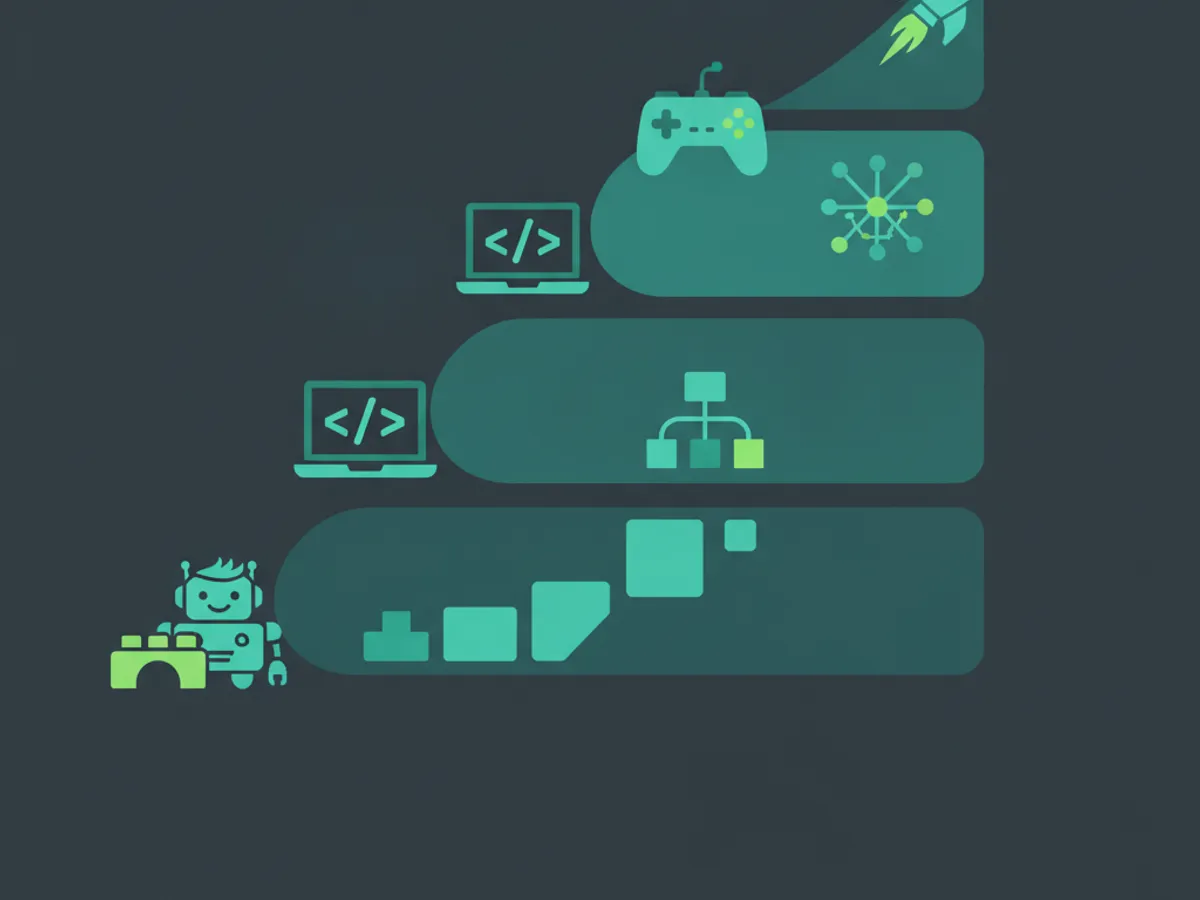
Not every teen is the same. The right coding gift depends on the teen's personality and goals. Below is a comparison table mapping coding gifts to three common teen personas.
| Persona | What They Want | Best Coding Gift | Price | Outcome |
|---|---|---|---|---|
| The Gamer | To build and mod games | Python + game dev subscription | $9.99–$19.99/mo | Published playable game |
| The Builder | To create real apps and websites | Full-stack coding subscription | $9.99–$19.99/mo | Live web portfolio |
| The Pre-College | To strengthen college apps | Coding certificate + portfolio | $9.99–$19.99/mo | Verifiable certificate + portfolio URL |
The Gamer (ages 13–15): This teen lives on Roblox, Discord, and game-streaming platforms. The right gift is a coding subscription that lets them build their own games in Python or JavaScript — not just play them. The moment a gamer realizes they can code their own game mechanic, they are hooked. Point them to the shared projects gallery to see games built by other teens.
The Builder (ages 13–16): This teen likes to tinker — they take things apart, they customize their PC, they have opinions about keyboards. The right gift is a full-stack coding subscription where they build real websites and apps with AI assistance. The outcome is a live portfolio they can show to friends and family.
The Pre-College (ages 14–16): This teen is already thinking about applications. The right gift is a coding subscription that issues a verifiable certificate aligned to CSTA standards and builds a portfolio URL they can include in the Common App. According to the NACAC survey on portfolios, 67% of admissions officers say a live, verifiable portfolio link "adds meaningful context" to a student's application — more than any single test score can.
You can explore gift packs that bundle a subscription with a certificate, or check the pricing page for the exact tier that fits your budget.
Coding Certificates and Portfolios for College Apps
For the pre-college teen, the value of a coding gift is not just the skill — it is the credential. A verifiable coding certificate plus a live portfolio URL is one of the most efficient ways to differentiate a college application.
The NAIS data on coding in admissions is striking: 73% of admissions officers at selective schools view coding experience as a positive differentiator, but only 12% trust certificates from unrecognized platforms. The credential must be verifiable — anyone should be able to visit a URL and confirm it is real.
Here is what a strong coding credential looks like for a teen:
- •A verifiable certificate with a unique URL (e.g., kidscodegift.com/verify/ABC123) and a QR code.
- •A live portfolio of 3–5 real projects, each with its own URL, hosted and viewable by anyone.
- •Alignment to recognized standards (CSTA, Python Institute) so an admissions officer can map the credential to a known framework.
- •A narrative — the teen should be able to explain, in their own words, what each project does and what they learned.
The NACAC survey on portfolios found that 67% of admissions officers value a live portfolio link more than a self-reported course list, because a portfolio is evidence while a course list is a claim. A coding gift that produces both a certificate and a portfolio is, in effect, a college-application asset.
As the Computer Science Teachers Association notes in its CSTA computer science standards: "Sustained, project-based learning with verifiable outcomes is the single strongest predictor of long-term computational fluency." A coding gift that delivers exactly that is the most strategic gift a parent or grandparent can give a 15- or 16-year-old.
What Teens Actually Say About Coding Gifts
Survey data is useful, but teen voices matter most. Across platforms like Reddit, TikTok, and YouTube, teens who received coding gifts report three consistent themes:
- •"It felt like a real thing, not a kids' thing." Teens distinguish sharply between platforms designed for children and platforms designed for young adults. A coding subscription that uses Python and AI assistants — not blocks — passes the credibility test.
- •"I could show my friends." The social dimension is huge. A teen who builds a live website can text the URL to friends. A teen who earns a certificate can put it in their bio. This is the shareable result the Princeton GEO study identified.
- •"It actually helped with school / college." For older teens, the practical value is the hook. A portfolio URL in a college application is not hypothetical — it is a concrete advantage.
The flip side is equally important. Teens are vocal about coding gifts that fail:
- •Block-based platforms (Scratch-style) are almost universally rejected by ages 13+.
- •Generic "learn to code" books without a project outcome feel like homework.
- •One-off courses with no portfolio or certificate feel incomplete.
The lesson is simple: give a teen a coding gift that produces a real, shareable, verifiable outcome, and they will respect it. Give them a toy or a textbook, and they will not. As the team behind Code.org computer science learning has noted, teens who build and publish real projects are far more likely to continue studying computer science into college than those who only complete tutorials.
How to Present a Coding Gift to a Teen
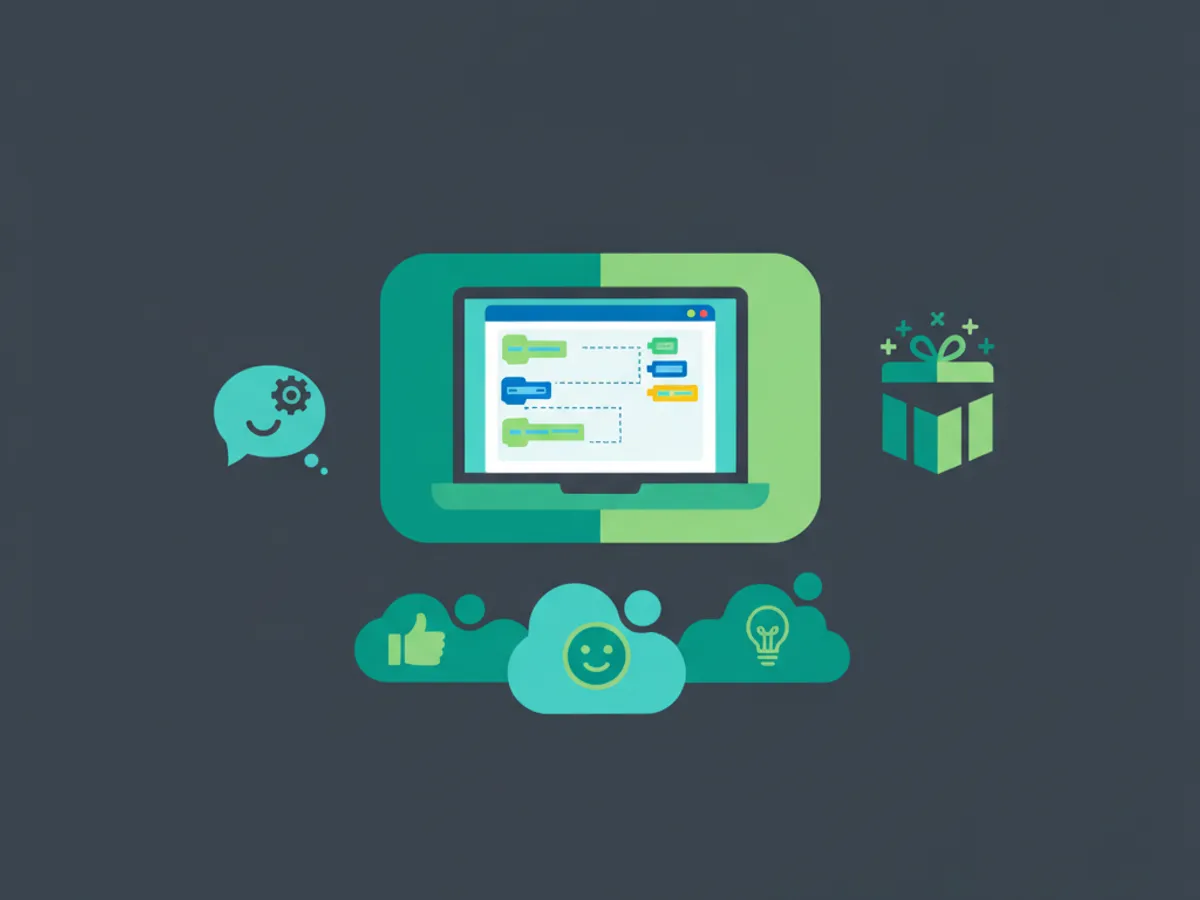
Presentation matters more with teens than with any other age group. A poorly presented coding gift can feel like a chore; a well-presented one can feel like a vote of confidence. Here is a step-by-step approach:
- •Frame it as a tool, not a task. Say "I got you a subscription so you can build whatever you want," not "I signed you up for a coding class." Autonomy is everything to a teen.
- •Show them the portfolio gallery first. Let them see what other teens have built. The moment they see a game or website made by someone their age, the gift becomes aspirational, not instructional.
- •Let them pick the first project. Do not prescribe. A teen who chooses to build a fan site for their favorite game will engage 10x more than one told to build a calculator.
- •Respect their independence. After the first session, step back. Teens who feel monitored will disengage. Teens who feel trusted will go deep.
- •Celebrate the first publish. When they deploy their first project, treat it like a milestone. Share the URL with family. Print the certificate. This is the moment a coding gift becomes an identity.
A coding gift for teens is, at its core, a statement: "I believe you are ready for real tools." That is the message a 13- to 16-year-old most wants to hear — and it is why a coding subscription, with its portfolio and certificate, is the coding gift that actually impresses a teen in 2026.
Frequently Asked Questions
What is the best coding gift for a 13-year-old?
What coding gift impresses a 16-year-old?
Do coding certificates help with college admissions?
Is a coding subscription a good gift for a teenager?
What coding language should a teen learn first?
Free: First 10 Coding Projects for Kids (PDF)
A printable starter pack — real projects your child can build this weekend. No spam, unsubscribe anytime.
Start Your Child's Coding Journey Today
Two full courses free. No credit card required. AI-assisted learning for ages 7–16.
Get Started Free